 All destinations
Western Circuit / National Park
Queen Elizabeth National Park
Kasese & Rubirizi Districts, Uganda
- Area
- 1,978 km²
The place
Witness Uganda’s wild heart in Queen Elizabeth National Park. Marvel at lions lounging in acacia trees, explore lush forests and sprawling plains, and drift along the Kazinga Channel, where hippos and elephants gather. Feel the untamed pulse of Africa in every breathtaking moment.
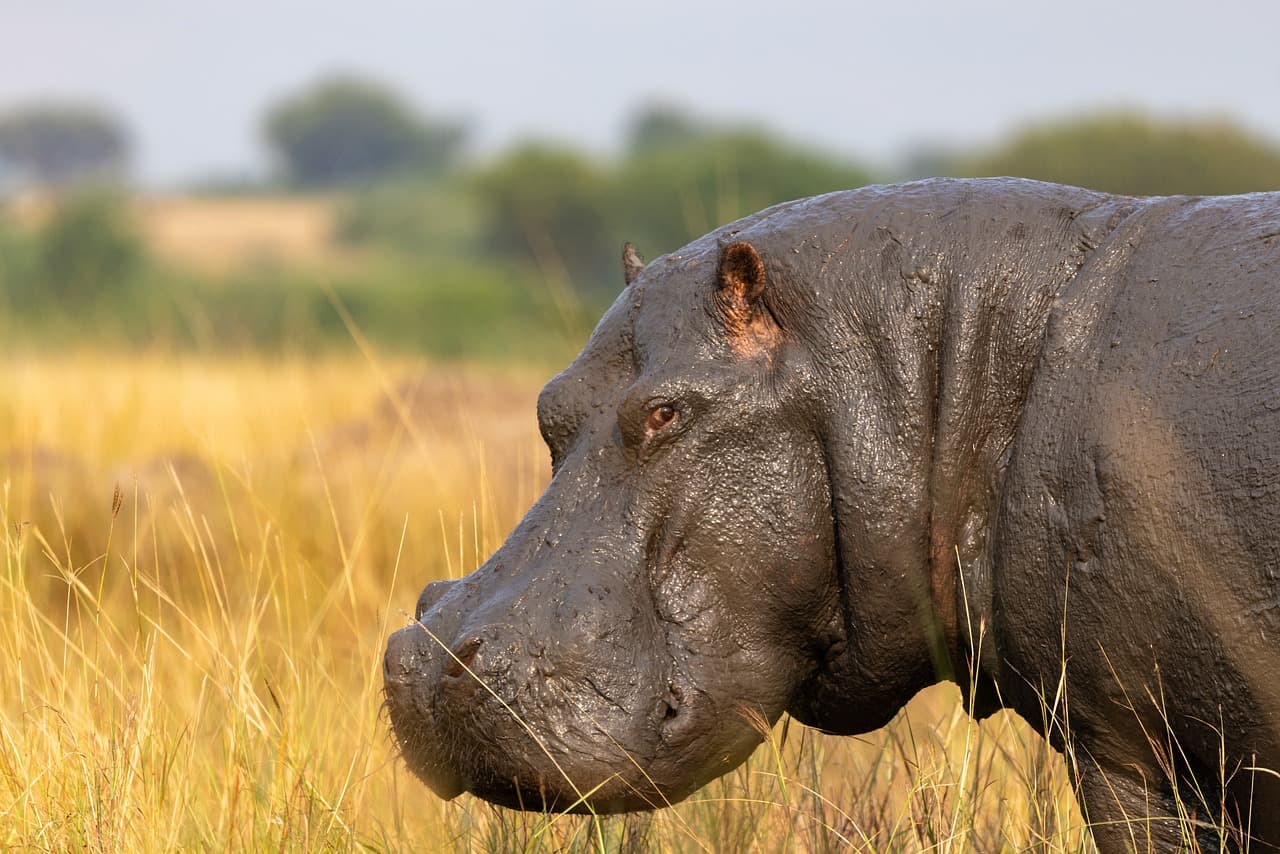
The first light of dawn breaks over the vast savannah of Queen Elizabeth National Park, painting the sky in hues of soft gold and rose. The air is cool and carries the earthy scent of dew-damp grass and the distant, musky fragrance of wildlife. As the sun climbs higher, the landscape awakens with a symphony of sounds: the deep, resonant grunts of hippos wallowing in the Kazinga Channel, the chattering chorus of olive baboons foraging in acacia trees, and the haunting cry of a fish eagle soaring overhead.
Amid the sprawling plains, a story unfolds. A lone elephant, its wrinkled skin etched with the wisdom of years, moves with a slow, deliberate grace. It pauses by a termite mound, its trunk delicately probing the soil as red-billed oxpeckers flutter around its ears. In the distance, the silhouettes of kob antelope dance like shadows against the morning mist, their elegant leaps a testament to the park’s untamed beauty.
Here, every sense is alive—the taste of dust on the breeze, the sight of fig trees heavy with fruit, and the feeling of ancient, wild energy thrumming through the earth. Queen Elizabeth is not just a place; it is a living, breathing story of resilience and wonder.
Known for
- 01Tree-climbing lions
- 02Kazinga Channel
- 03Boat safaris
- 04Diverse ecosystems
- 05Crater lakes
Who you'll meet
Tree-climbing Lions African Elephants Cape Buffalo Leopards Common Hippos Nile Crocodiles Ugandan Kob Common Waterbucks Bushbucks Common Warthogs Giant Forest Hogs Topis Olive Baboons Vervet Monkeys Chimpanzees Black-and-white Colobus Spotted Hyenas Side-striped Jackals Servals Caracals African Civets Genets African Fish Eagles Shoebill Storks Flamingos
What to do there
Highlights
- Tree-climbing Lions in Ishasha
- Kazinga Channel Hippo Concentration
- Over 600 Bird Species
- Crater Lake Landscapes
- Diverse Ecosystems
- Chimpanzee Communities
- UNESCO Biosphere Reserve
- Community Conservation Success
Ways to explore
- Kazinga Channel Boat Safari
- Tree-climbing Lion Tracking
- Game Drives
- Chimpanzee Trekking
- Bird Watching
- Crater Lake Tours
- Nature Walks
- Community Cultural Visits
- Photography Safaris
- Hot Air Balloon Safaris
- Fishing Excursions
- Cave Exploration
- Research Station Visits
- Conservation Education Tours
When to go
Our recommended months
The park enjoys a tropical climate moderated by its elevation of 900-1,350 meters above sea level. Average temperatures range 18-28°C year-round. Two dry seasons (December-February and June-September) offer optimal game viewing, while wet seasons (March-May and October-November) bring lush landscapes and excellent bird watching opportunities.
Staying & getting there
Where you'll stay
- Luxury Safari Lodges
- Eco-Lodges
- Mid-range Lodges
- Budget Lodges
- Camping Sites
- Community Lodges
- Research Stations
Getting there
Queen Elizabeth National Park is located 420 kilometers southwest of Kampala, accessible via well-maintained roads through Fort Portal (6-7 hours) or Mbarara (5-6 hours). Scheduled flights operate from Entebbe to Kasese airstrip (45 minutes), followed by a 1-hour drive to the park. Multiple gates provide access: Kabatoro Gate (north), Ishasha Gate (south), and Katunguru Gate (northeast).
Before you go
- 1.Maintain minimum 7-meter distance from chimpanzees
- 2.Follow boat safari safety guidelines on Kazinga Channel
- 3.Respect tree-climbing lion viewing protocols
- 4.No off-road driving in sensitive areas
- 5.Support community tourism initiatives
- 6.Carry out all litter
- 7.Follow fishing regulations on crater lakes
- 8.Observe quiet hours near wildlife
Queen Elizabeth National Park, planned around you.
Tell us when you'd like to travel and how you like to explore. We'll shape a private itinerary and reply within 24 hours.
Start planning