 All destinations
Western Circuit / Game Reserve
Maasai Mara National Reserve
Narok County, Kenya
- Area
- 1,510 km²
The place
Feel the earth tremble as countless wildebeest surge across the Mara plains. Under endless skies, witness nature’s raw drama unfold—predators prowl, life pulses. This is the Maasai Mara, where the wild heart of Africa beats fiercely, and every moment etches itself into your soul.
The first breath of dawn in the Maasai Mara is cool and sharp, carrying the scent of dew-dampened earth and wild sage. As the sun climbs, it ignites the endless golden grasses, setting the vast savanna ablaze with light. This is a land of giants and whispers—of acacia trees standing like ancient sentinels against an impossible blue sky, and the distant rumble of a lion’s call that vibrates deep in your chest.
Here, life unfolds as an epic drama. A herd of elephants moves like a slow, gray river, their trunks brushing the ground with a soft, rustling sound. Zebras stripe the horizon, their braying calls cutting through the heat-haze of midday. And then, the moment you’ve been waiting for: the Great Migration. Thousands of wildebeest surge forward in a thundering tide, hooves pounding the earth like a primal heartbeat, while crocodiles lie in wait in the Mara River’s muddy waters.
As dusk descends, the air fills with the chirping of crickets and the smoky aroma of a Maasai campfire. Under a blanket of stars so bright they feel within reach, the Mara doesn’t just show you wildlife—it lets you feel the raw, untamed pulse of Africa.
Known for
- 01Great Migration
- 02Big Five
- 03Mara River Crossings
- 04Hot Air Balloon Safaris
- 05Maasai Culture
Who you'll meet
African Lions African Leopards Cheetahs African Elephants Black Rhinoceros White Rhinoceros Cape Buffalo Plains Zebras Blue Wildebeest Masai Giraffes Common Hippos Nile Crocodiles Spotted Hyenas African Wild Dogs Caracals Servals African Civet Common Warthogs Topis Thomson's Gazelles Grant's Gazelles Impalas Hartebeests Waterbucks Olive Baboons
What to do there
Highlights
- Great Migration River Crossings
- Highest Lion Density in Africa
- Big Five Viewing
- Maasai Cultural Heritage
- Mara River Ecosystem
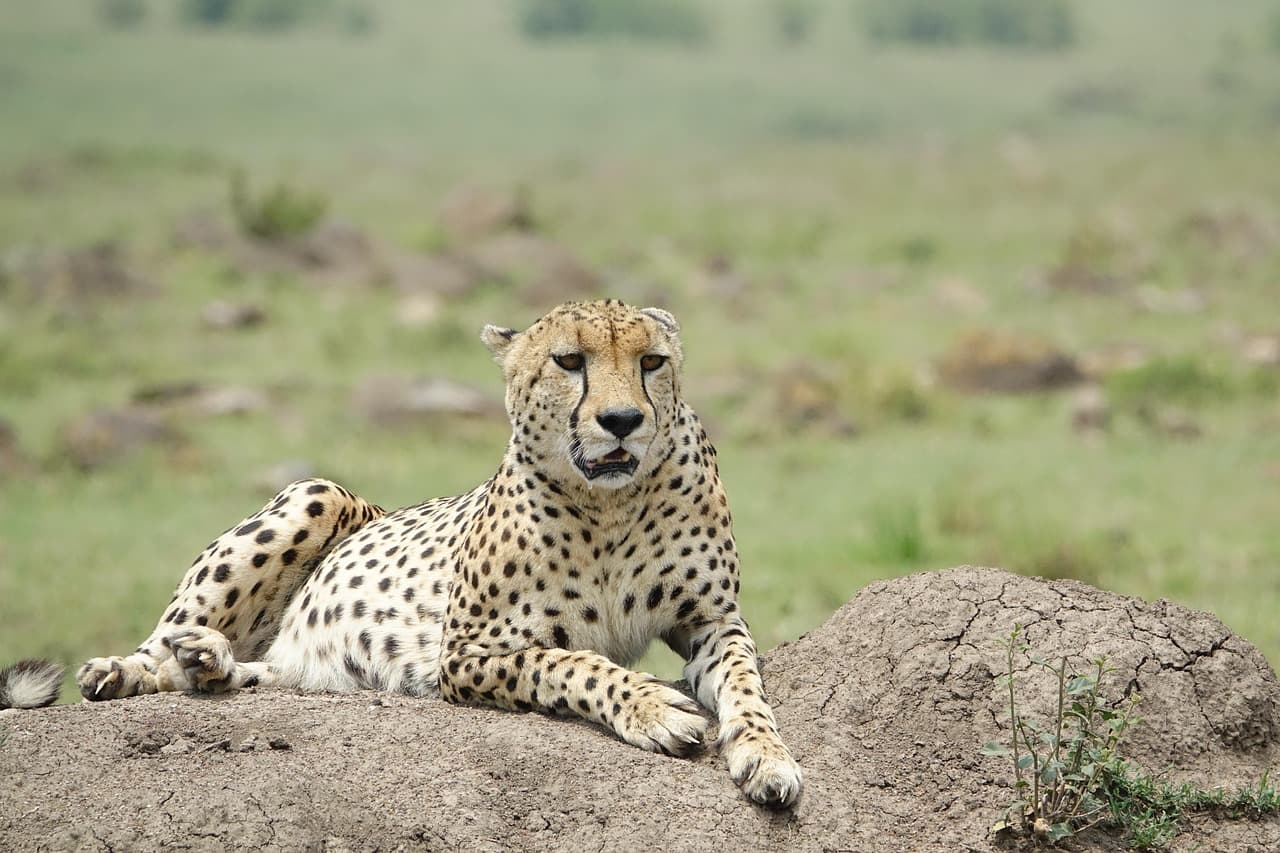
- Cheetah Sightings
- Hot Air Balloon Adventures
- Photography Opportunities
- Conservation Success Stories
Ways to explore
- Game Drives
- Great Migration Viewing
- Hot Air Balloon Safaris
- Maasai Cultural Visits
- Bush Walks
- Night Game Drives
- Photography Safaris
- Bird Watching
- Mara River Crossing Viewing
- Traditional Maasai Dancing
- Bush Breakfast
- Sundowner Drinks
- Community Conservation Projects
- Walking Safaris
- Mobile Camping
When to go
Our recommended months
The Maasai Mara enjoys a favorable equatorial climate with two distinct seasons. The dry season (June-October) offers excellent game viewing conditions with minimal rainfall and cooler temperatures averaging 12-26°C. The wet season (November-May) brings rejuvenating rains, lush green landscapes, and prolific birdlife, though some areas may become inaccessible. The Great Migration period (July-October) coincides with the dry season, ensuring optimal viewing conditions.
Staying & getting there
Where you'll stay
- Luxury Safari Lodges
- Tented Safari Camps
- Mobile Camping
- Eco-Lodges
- Cultural Homestays
- Budget Safari Camps
- Conservancy Lodges
Getting there
Located 270 kilometers southwest of Nairobi, the Maasai Mara is accessible via multiple routes. The most popular approach is a 5-6 hour drive from Nairobi through the scenic Great Rift Valley. Alternatively, daily scheduled flights operate from Wilson Airport in Nairobi to multiple airstrips within the reserve, including Keekorok, Musiara, Olkiombo, and Shikar. Charter flights provide flexible access to remote camps and conservancies.
Before you go
- 1.Maintain minimum distance of 25 meters from wildlife
- 2.No off-road driving permitted
- 3.Keep noise levels to minimum
- 4.No feeding of animals
- 5.Respect Maasai cultural sites and customs
- 6.Follow guide instructions at all times
- 7.No littering - carry out all waste
- 8.Flash photography prohibited near wildlife
- 9.Park gates close at sunset
Maasai Mara National Reserve, planned around you.
Tell us when you'd like to travel and how you like to explore. We'll shape a private itinerary and reply within 24 hours.
Start planning