 All destinations
Northern Circuit / National Park
Chobe National Park
Chobe District, Botswana
- Area
- 11,700 km²
The place
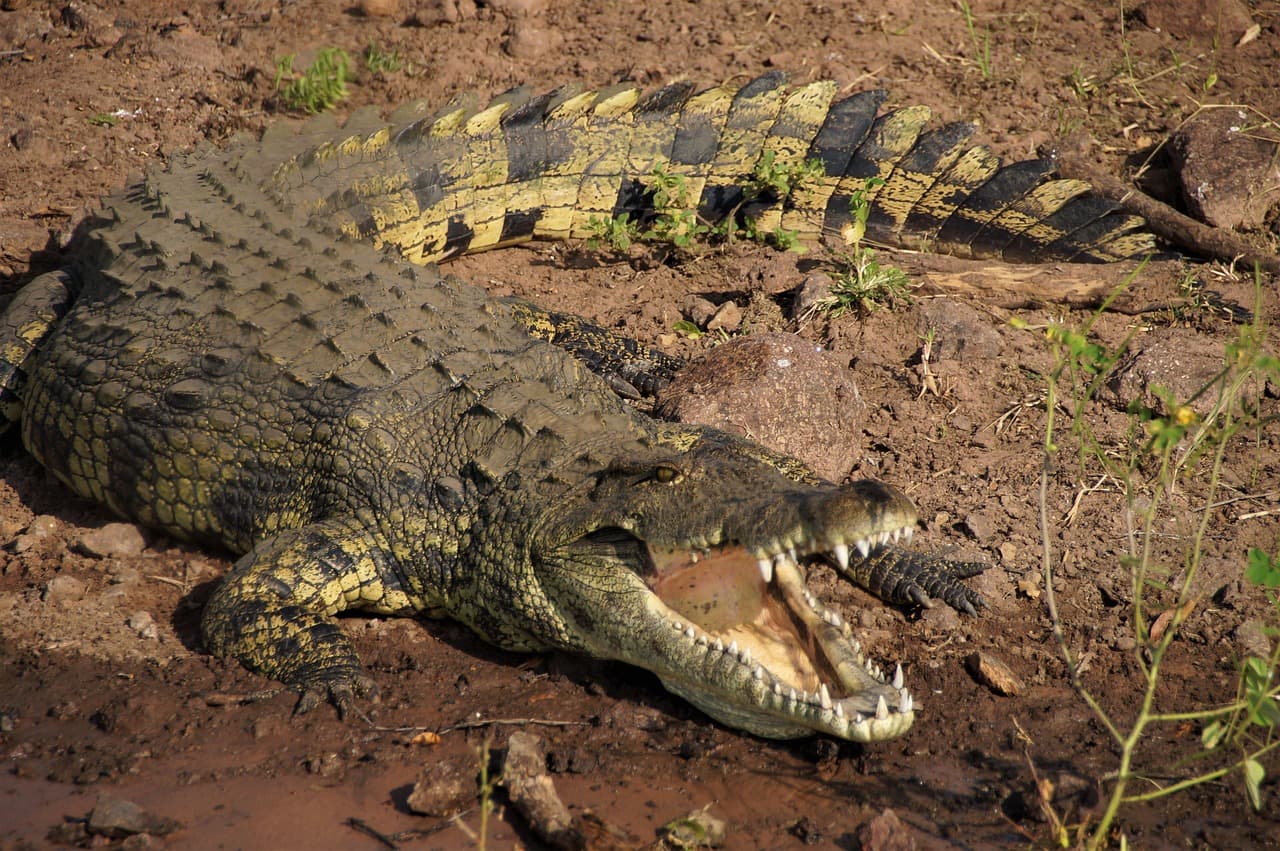
Witness the soul-stirring sight of Africa's grandest elephant herds thundering across golden plains. Glide along the Chobe River, where life unfolds in breathtaking intimacy—hippos yawn, crocodiles bask, and the wild’s heartbeat pulses through you. An unforgettable symphony of nature’s raw, majestic beauty.
The first light of dawn breaks over the Chobe River, painting the sky in soft hues of rose and gold. The air is cool and carries the earthy scent of damp soil and wild sage. A low mist clings to the water’s surface, where the silhouette of a hippo breaks the stillness with a deep, guttural grunt.
Suddenly, the bushes rustle. A herd of elephants emerges, their massive forms moving with surprising grace. You hear the soft thud of their footsteps, the crinkle of torn grass, and the contented rumble of communication between matriarch and calf. Dust, kicked up by their passing, hangs in the air, catching the morning sun.
On the riverbank, a fish eagle cries out—a piercing, lonely sound that echoes across the water. Kingfishers flash by in streaks of electric blue. This is Chobe: a symphony of life, raw and untamed. You don’t just see it; you feel the vibration of elephant calls in your chest, taste the dust on your tongue, and understand, for a moment, what it means to witness the world as it once was.
Known for
- 01Largest elephant herds
- 02Chobe River
- 03Boat safaris
- 04Big Five
- 05Diverse ecosystems
Who you'll meet
African Elephants Cape Buffalo African Lions Leopards Cheetahs African Wild Dogs Spotted Hyenas Common Hippos Nile Crocodiles Giraffes Plains Zebras Blue Wildebeest Sable Antelopes Roan Antelopes Greater Kudus Common Waterbucks Red Lechwe Puku Impalas Common Tsessebe Warthogs Yellow Baboons Vervet Monkeys African Fish Eagles Carmine Bee-eaters
What to do there
Highlights
- Largest Elephant Population in Africa
- Chobe River Front Wildlife Spectacle
- Four Distinct Ecosystems
- Exceptional Boat Safaris
- Savuti Predator Paradise
- Zebra Migration Corridor
- Multi-country Safari Access
- Conservation Success Story
Ways to explore
- Boat Safaris
- Game Drives
- Photography Safaris
- Bird Watching
- Cultural Village Tours
- Fishing
- Walking Safaris
- Night Drives
- Scenic Flights
- River Cruises
- Bush Dining
- Mokoro Trips
- Conservation Tours
- Multi-day Mobile Safaris
When to go
Our recommended months
Chobe experiences a semi-arid climate with distinct wet (November-March) and dry (April-October) seasons. Temperatures range 15-35°C, with hottest periods preceding the rains. The dry season offers optimal game viewing as wildlife concentrates around permanent water sources. The Chobe River ensures year-round water availability.
Staying & getting there
Where you'll stay
- Luxury River Lodges
- Houseboat Safaris
- Tented Safari Camps
- Mobile Camping
- Lodge Combinations
- Eco-Camps
Getting there
Chobe National Park is accessible via Kasane town, which serves as the gateway to northern Botswana. Kasane Airport receives scheduled flights from Maun, Gaborone, and connections to regional destinations. Road access is possible from Victoria Falls (1 hour), Maun (3.5 hours), and Namibia's Caprivi Strip. Multiple park gates provide entry, with Sedudu Gate being the main entrance near Kasane.
Before you go
- 1.Maintain safe distances from elephants especially near water
- 2.Follow boat safari safety protocols
- 3.Respect seasonal park area closures
- 4.No off-road driving in sensitive wetland areas
- 5.Support community conservation initiatives
- 6.Follow catch-and-release fishing regulations
- 7.Observe vehicle speed limits
- 8.Carry out all waste
Chobe National Park, planned around you.
Tell us when you'd like to travel and how you like to explore. We'll shape a private itinerary and reply within 24 hours.
Start planning